


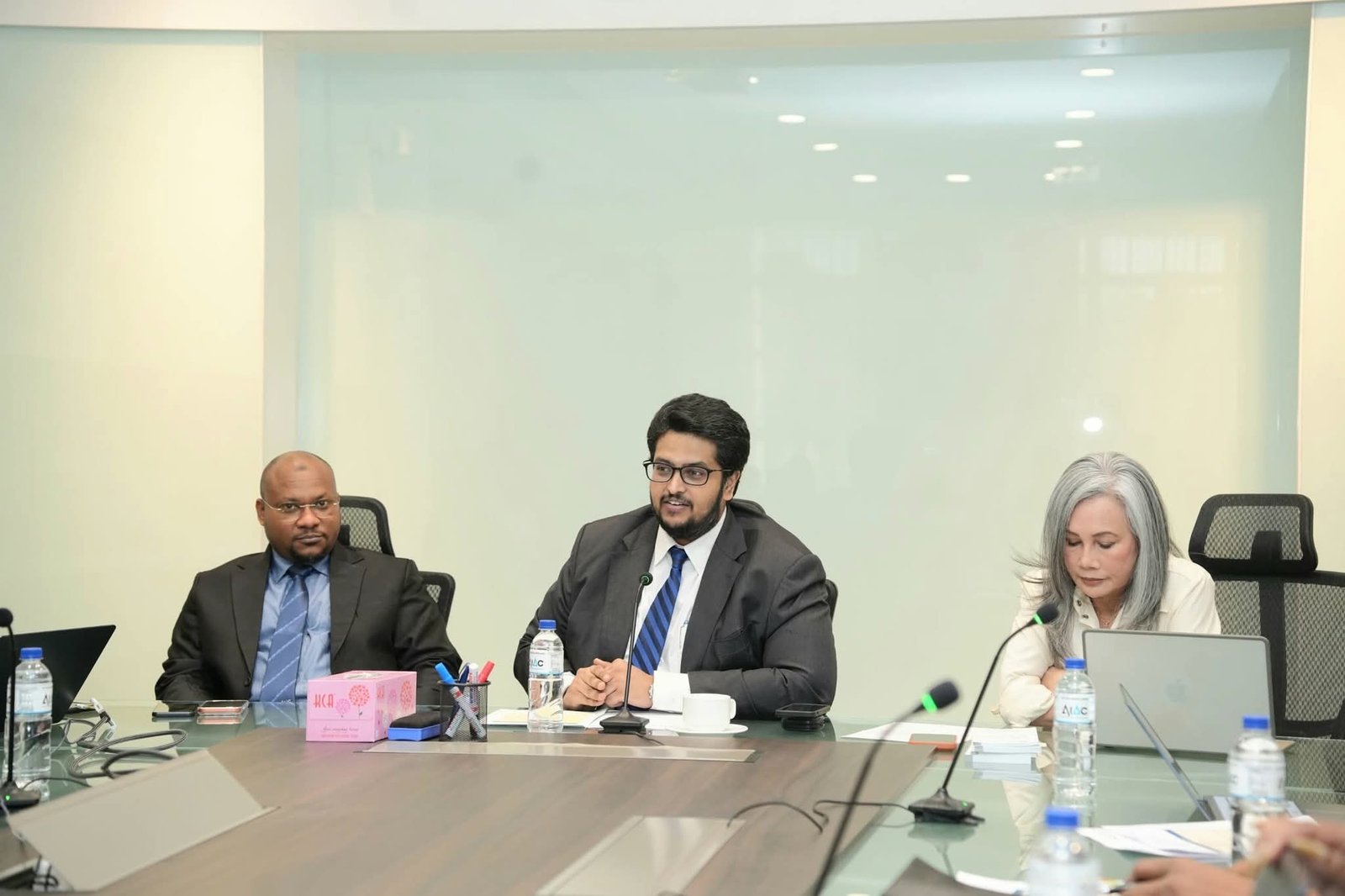
Kuala Lumpur, Malaysia | 23 September 2026
Three intensive days at the Asian International Arbitration Centre (AIAC) came to an end on Wednesday for a delegation from Ghana comprising legal practitioners and traditional and local leaders.
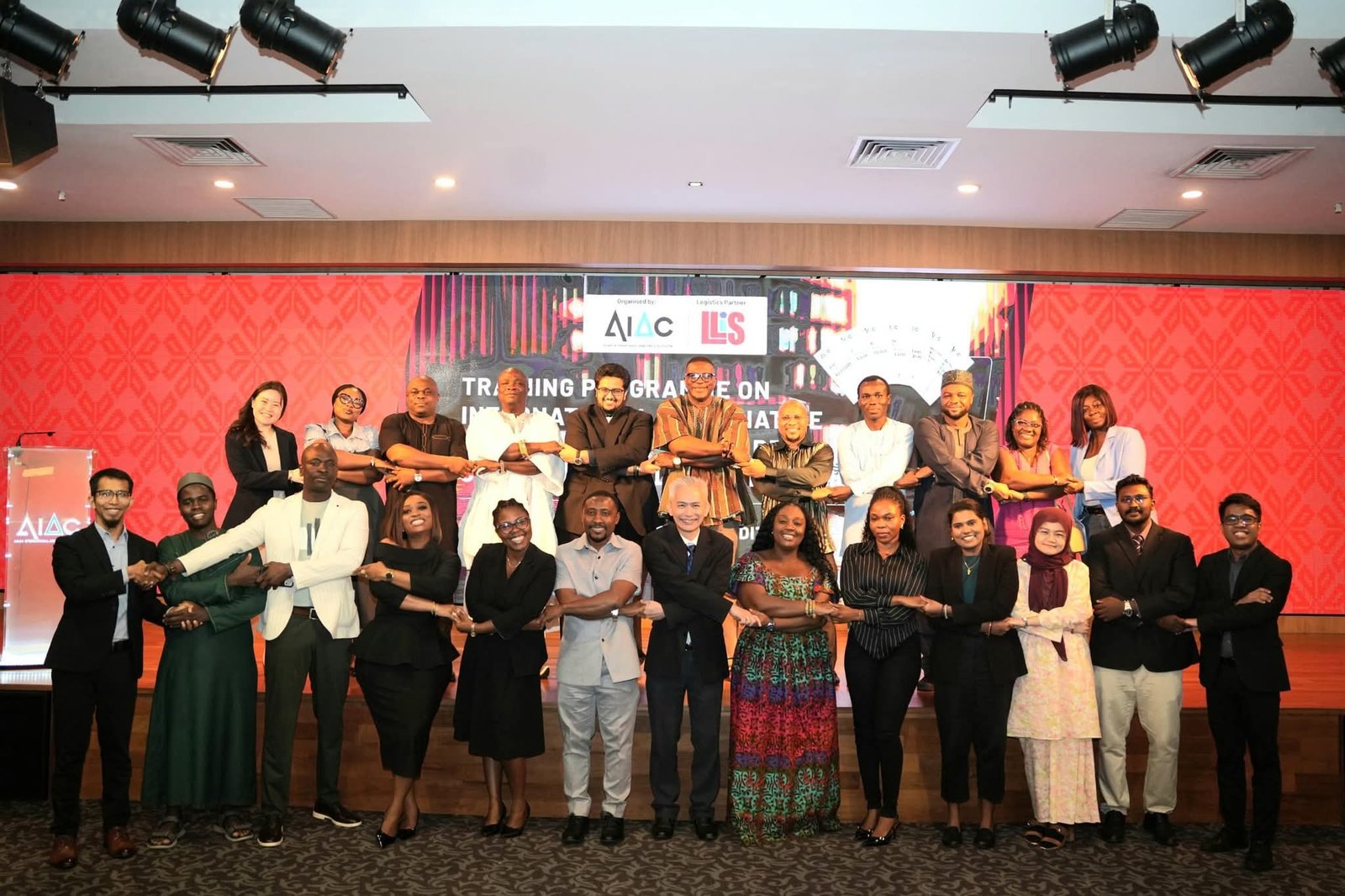
The Ghana AIAC ADR training formed part of the Training Programme on International Alternative Dispute Resolution (ADR): Concepts, Skills and Practice, held at AIAC in Kuala Lumpur from 21 to 23 September 2026.
Bringing Ghanaian legal practitioners and traditional leadership into the same learning environment, the programme provided an opportunity to engage with Malaysian and international expertise across arbitration, mediation and other forms of alternative dispute resolution.
The initiative was spearheaded through the efforts of Prof. Naail Mohammed Kamil, Deputy High Commissioner of Ghana to Malaysia, who played a central role in bringing the programme and delegation together. Awqaf Africa contributed coordination and logistical support, while its President, Ibrahim Abdul Mugis, joined the delegation throughout the programme, participating in the training, practical workshops, institutional engagements and networking sessions.
For Awqaf Africa, it was an opportunity to support a practical professional exchange between Ghana and Malaysia while learning alongside the delegation.
Three Days Inside the World of ADR
The programme opened with remarks by Datuk Danesh Chandran, Chief Executive Officer of AIAC, who highlighted the importance of strengthening connections between the ADR communities of Asia and Africa. He noted AIAC’s historic position as the first arbitral centre established under the auspices of the Asian-African Legal Consultative Organization (AALCO) and its continuing commitment to knowledge exchange, capacity building and institutional cooperation across both regions.
Dato’ Mary Lim Thiam Suan, President of the AIAC Court of Arbitration, also welcomed the Ghanaian participants and reinforced the importance of deeper engagement between African and Asian ADR communities. The institutional programme also drew on the experience of Heather Yee, Registrar of AIAC.
What followed was a programme that moved across several areas of modern dispute resolution.
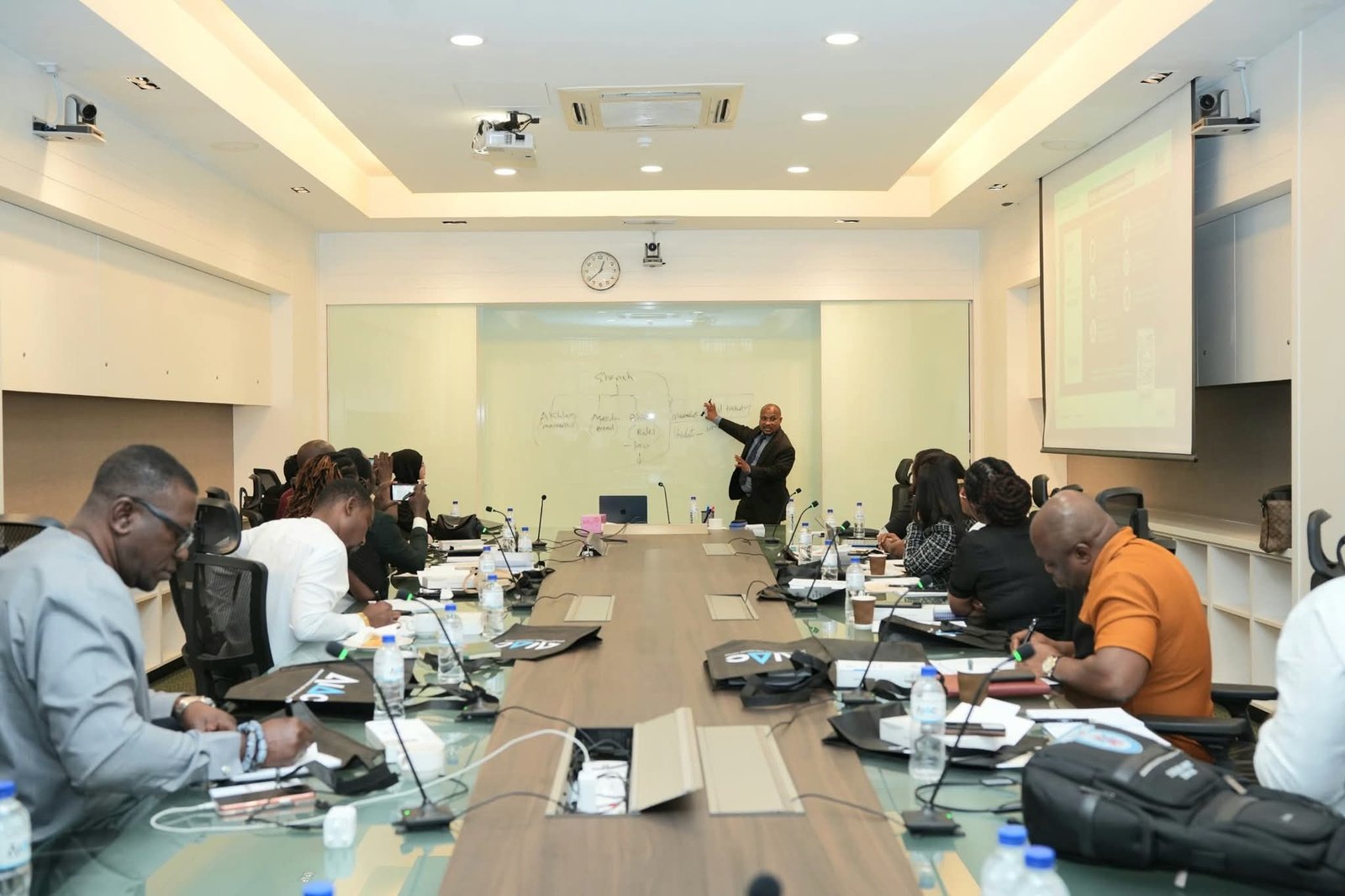
Participants began with international arbitration, looking at the AIAC Arbitration Rules, ad hoc proceedings under the UNCITRAL Arbitration Rules and the international legal principles that underpin arbitration.
Kamilah Kasim, Member of the AIAC Court of Arbitration and Partner at Rosli Dahlan Saravana Partnership, led the opening substantive session on international arbitration.
The delegation later explored Islamic arbitration, including AIAC’s i-Arbitration framework, before taking part in a guided tour of the Centre.
The tour offered something different from the classroom sessions: an opportunity to see the facilities and institutional setting within which arbitration and dispute-resolution proceedings are administered.
Later, Richard Wee, Managing Partner of Richard Wee Chambers, took participants into the field of sports arbitration, including the AIAC Asian Sports Arbitration Rules and the principles involved in resolving disputes in sport.
These encounters also continued outside the formal sessions. Conversations during breaks, the facility tour and networking periods allowed members of the delegation and Awqaf Africa to interact directly with practitioners and exchange contacts.
Putting the Learning Into Practice
One of the useful features of the programme was that participants were expected to do more than listen.
During an interactive workshop on drafting arbitration agreements, participants worked through practical dispute scenarios and had to determine how an effective arbitration clause should actually be constructed.
Questions around the choice of arbitral institution, seat of arbitration, language, appointment of arbitrators and the relationship between negotiation, mediation and arbitration moved from theory into an actual drafting exercise.
Ibrahim Abdul Mugis participated in the exercise alongside members of the delegation, working through the scenarios and preparing the required clauses for submission.
The mediation component similarly addressed both procedure and practice, including agreements to mediate and the skills required for effective mediation. Across the three days, the programme extended beyond international and Islamic arbitration to sports arbitration, mediation, adjudication and domain-name dispute resolution, giving participants a broad view of the contemporary ADR landscape.
That practical dimension mattered. For professionals who may later advise institutions, businesses or communities, a poorly drafted dispute-resolution clause can create problems long after an agreement has been signed.
When Africa and Asia Do Business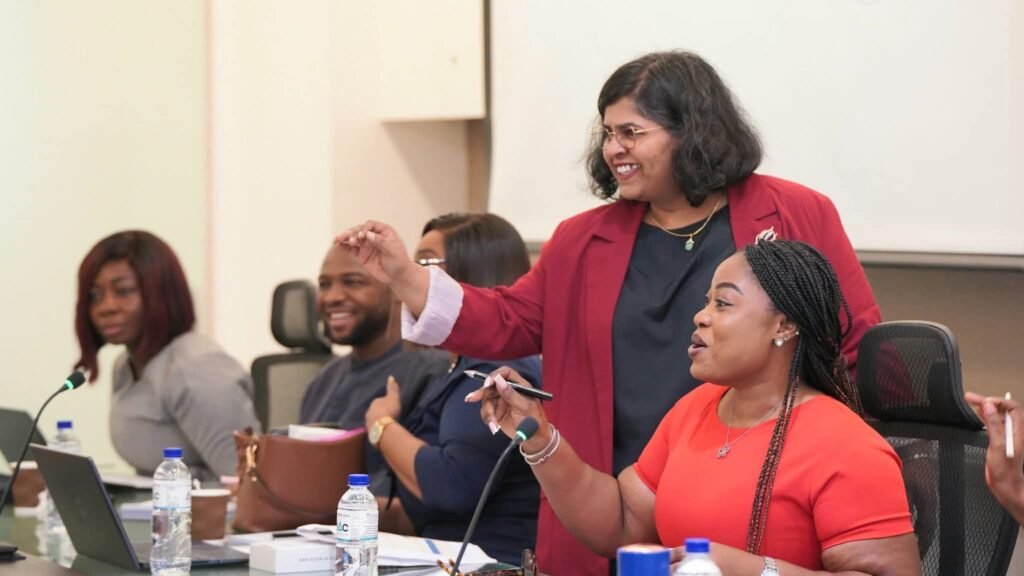
A particularly relevant part of the programme focused directly on cross-border disputes in the Asian–African context.
The discussion considered common issues arising in cross-border disputes, the use of ADR in resolving them and investor–state dispute resolution.
This is an increasingly important conversation.
Relationships between African and Asian institutions are expanding across investment, trade, education, infrastructure, Islamic finance and other sectors. More cross-border activity also means more complex contracts, different legal systems and the possibility of disagreements involving parties operating in several jurisdictions.
The ability to negotiate sound agreements and understand credible mechanisms for resolving disputes is therefore part of the institutional capacity needed to sustain those relationships.
The programme also examined disputes in Islamic finance and banking, including Shariah and commercial issues arising in multi-jurisdictional transactions and the possible roles of arbitration and mediation.
For Awqaf Africa, these discussions had particular relevance given its growing engagement in waqf, Islamic social finance and cross-border institutional partnerships.
Law, Leadership and Different Traditions of Dispute Resolution
The composition of the Ghanaian delegation brought another perspective into the room.
Legal practitioners participated alongside traditional and local leaders.
In Ghana and across much of Africa, disputes are not resolved exclusively through courts and formal legal institutions. Traditional authority, mediation, reconciliation and community-level processes continue to have practical importance.
Bringing these different experiences into an international ADR environment created room for a wider conversation: not simply about importing international practices into Africa, but about understanding where international mechanisms and African approaches to dispute resolution can learn from one another.
That is a conversation worth continuing.
New Questions in a Digital World
The final substantive session moved into another rapidly developing area: domain-name disputes.
The discussion covered the practice and procedures surrounding domain-name dispute resolution and the mechanisms available through AIAC.
It also raised practical governance questions for institutions whose identities increasingly exist online.
One issue considered during the engagement was what happens when an organisation’s domain name is registered not in the institution’s own name, but personally by a founder, employee, consultant or technology provider. Such arrangements can appear harmless when relationships are good but become difficult when leadership changes or a professional relationship ends.
For institutions undergoing digital transformation, ownership and control of digital assets are therefore becoming governance questions in their own right.
Relationships Beyond the Programme
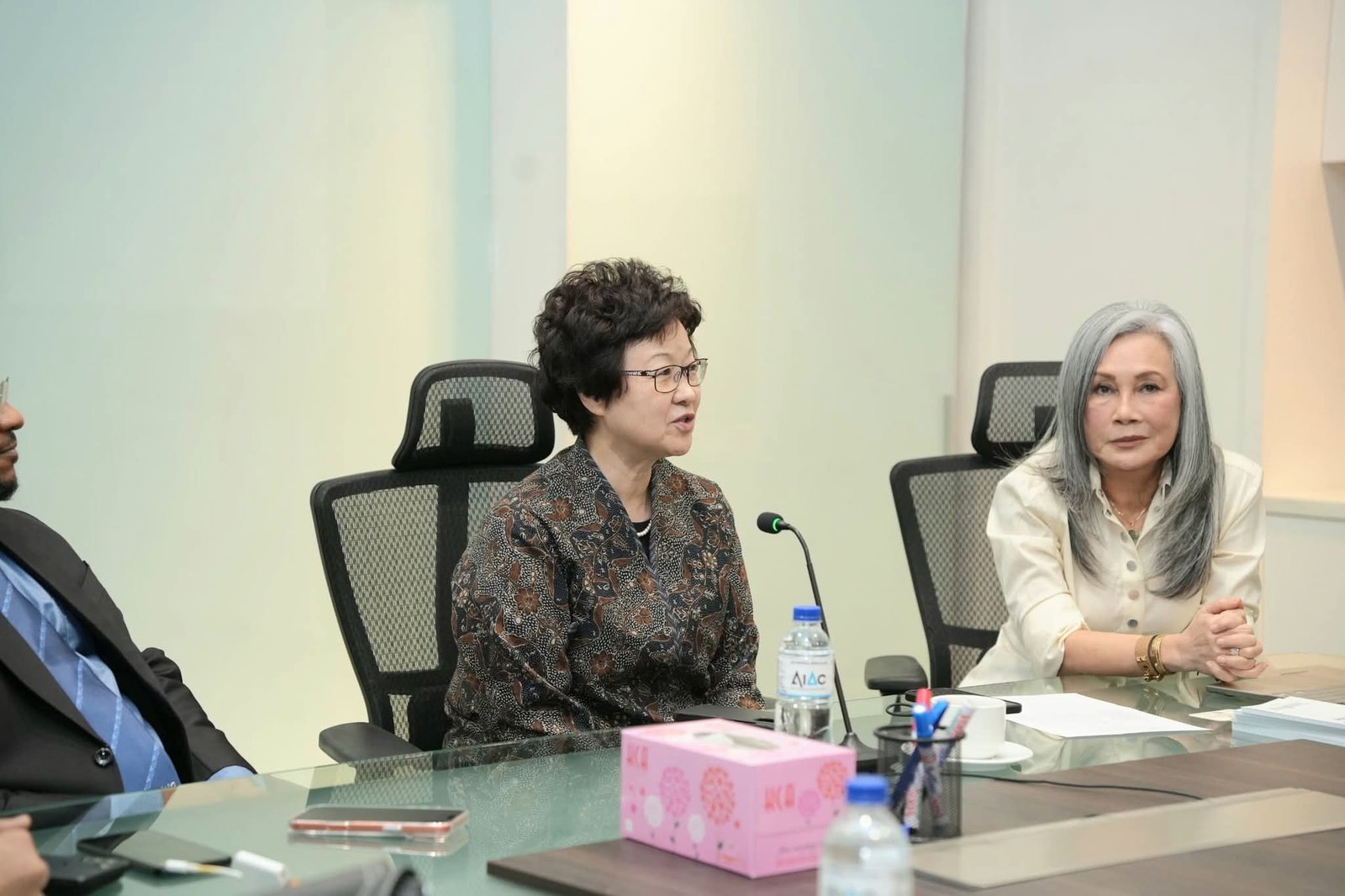
The three days were also an opportunity to build relationships.
Awqaf Africa engaged directly with practitioners participating in the programme. AIAC’s institutional contributors included Heather Yee, Registrar; Raagini Sama Sundaram, Senior Case Counsel; and Nazira Salim, Case Counsel. External trainers included Jayems Dhingra, Kamilah Kasim, Richard Wee, Bahari Yeow, Lynnda Lim, Hurriyyah Kamaruzzaman and Sneha Ravi Iyer. The sessions and networking periods gave members of the Ghanaian delegation opportunities to exchange perspectives and build professional connections across different areas of ADR.
These conversations were exploratory.
There is no need for every new contact to immediately become a project or an MoU. The more important first step is to maintain the relationships, understand where interests genuinely meet and determine whether future professional exchange can create practical value for African institutions and practitioners.
That approach is consistent with Awqaf Africa’s wider effort to strengthen professional and institutional connections between Africa and Malaysia.
The Programme Ends. The Relationships Continue.
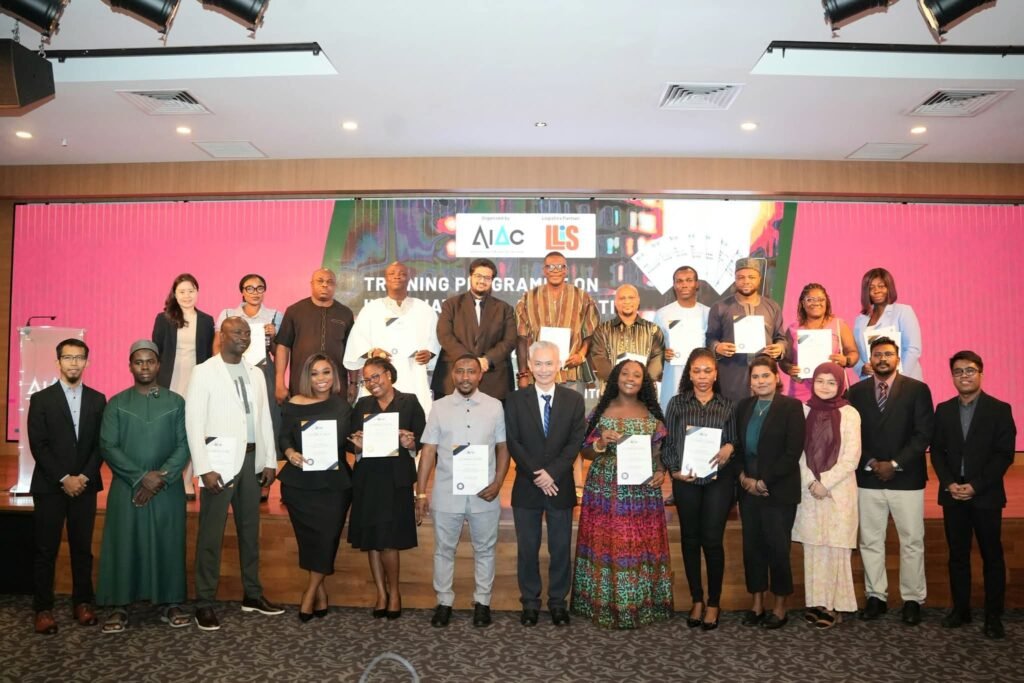
The programme concluded on 23 September with the presentation of certificates to participants and a final opportunity for networking. In his closing remarks, Datuk Danesh Chandran called for the momentum created by the programme to develop into closer and more sustained collaboration with Ghana and the wider African region.
That message closely reflects the wider opportunity emerging from the programme: moving beyond a successful three-day training towards lasting professional, institutional and knowledge connections between Africa and Asia.
For the Ghanaian delegation, it marked the end of three days of learning—from international and Islamic arbitration to mediation, sports disputes, cross-border cases, Islamic finance, adjudication and the governance of disputes in the digital environment.
Awqaf Africa expresses its appreciation to Prof. Naail Mohammed Kamil for the leadership and effort behind the initiative; to AIAC for hosting the programme and receiving the delegation; to the practitioners who shared their knowledge and experience; and to everyone who contributed to the programme.
Our role was a supporting one, but it reflects something we consider important: helping African professionals and institutions reach the right knowledge, people and opportunities—and helping those connections continue after the formal programme has ended.
The certificates have now been presented and the sessions have concluded.
The relationships built over these three days are where the next chapter begins.
Awqaf Africa
Building Institutions. Connecting Knowledge. Creating Impact.


Leave a Reply