


Perlis, Malaysia | 5 November 2026. Awqaf Africa strengthened its institutional engagement with religious and academic authorities in the Malaysian state of Perlis through a strategic visit held at Universiti Islam Antarabangsa Tuanku Syed Sirajuddin (UniSIRAJ).
The engagement formed part of the Africa–Malaysia Sustainable Development & Human Capital Mission, an Awqaf Africa initiative aimed at strengthening cooperation between Malaysian institutions and African countries through education, economic development, institutional capacity building and sustainable development. The mission connects institutional knowledge, human capital, productive economic opportunities and community development.
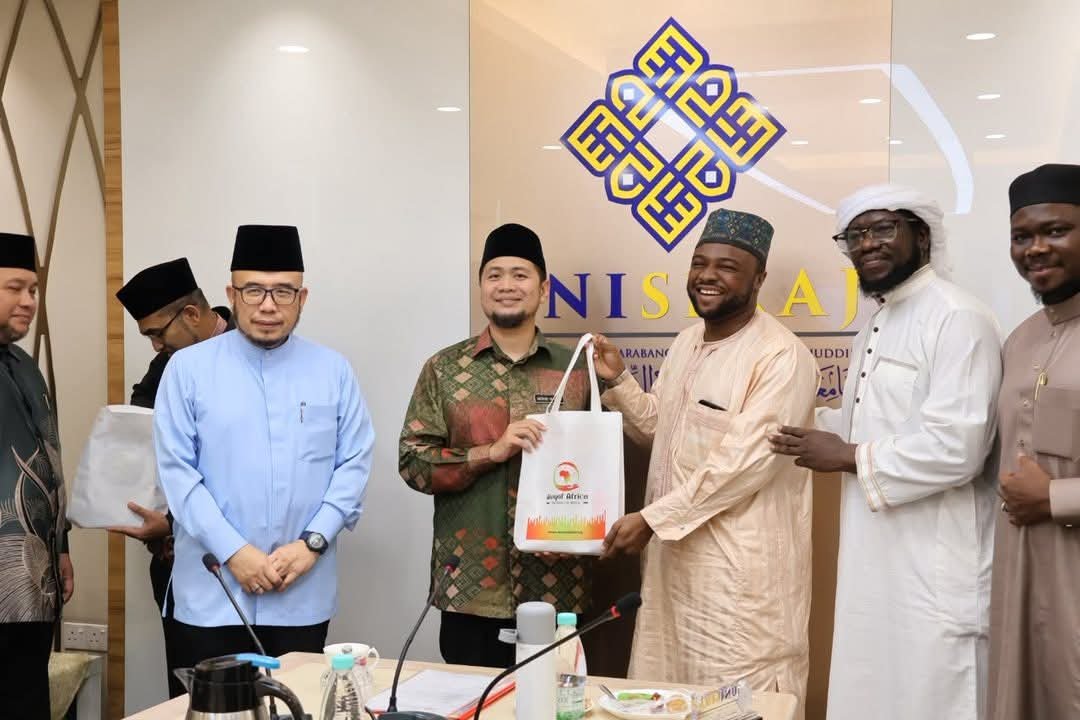
Strategic Engagement with Perlis Religious and Academic Leadership
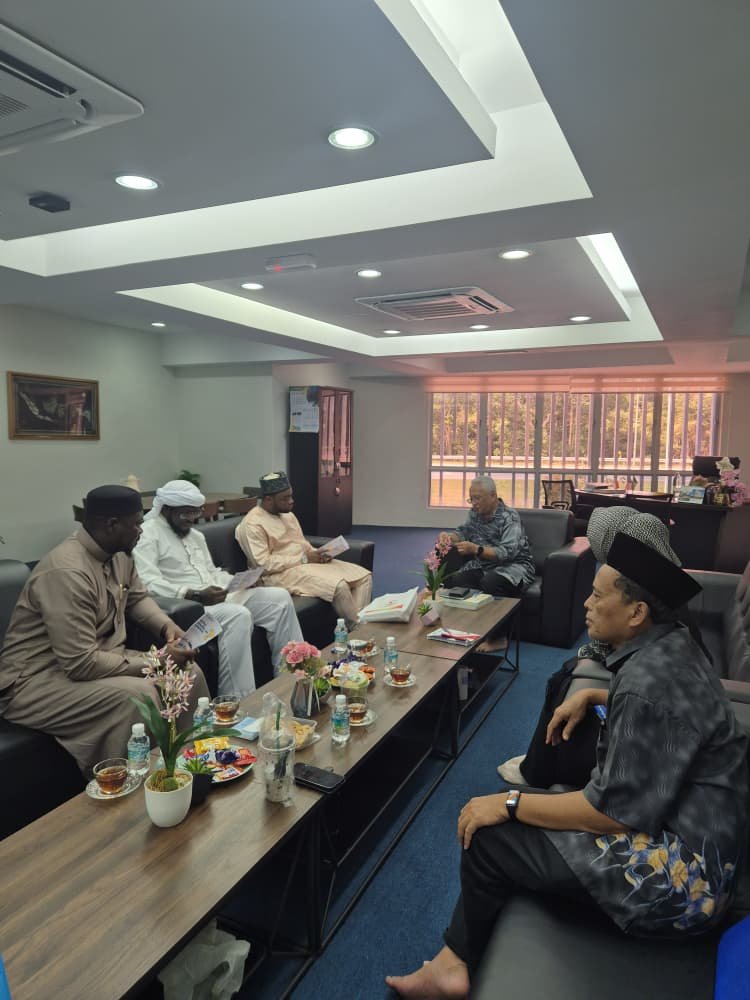
The meeting at UniSIRAJ’s Pauh Putra Campus on 5 November 2026 brought together Awqaf Africa and senior religious and academic leadership from Perlis, including SS Profesor Dato’ Arif Perkasa Dr. Mohd Asri bin Zainul Abidin, Mufti of Perlis and Chairman of UniSIRAJ’s Board of Directors; Prof. Dr. Muhamad Rozaimi bin Ramle, Vice-Chancellor of UniSIRAJ; and Tuan Haji Mohd Nazim bin Mohd Noor, Director of Jabatan Hal Ehwal Agama Islam Perlis (JAIPs).
The Awqaf Africa delegation comprised Ibrahim Abdul Mugis — President, Awqaf Africa and Head of Delegation; Sheikh Abubakar Mohammed Gali — Council of Ulema, Awqaf Africa; and Sheikh Musa Yamba — University & Academic Partnerships Coordinator.
Discussions explored opportunities for cooperation in Islamic affairs, Islamic institutional development, education, research, human-capital development and sustainable economic advancement. The exchange also considered how Malaysian institutional experience and African development priorities could complement one another through mutually beneficial cooperation.
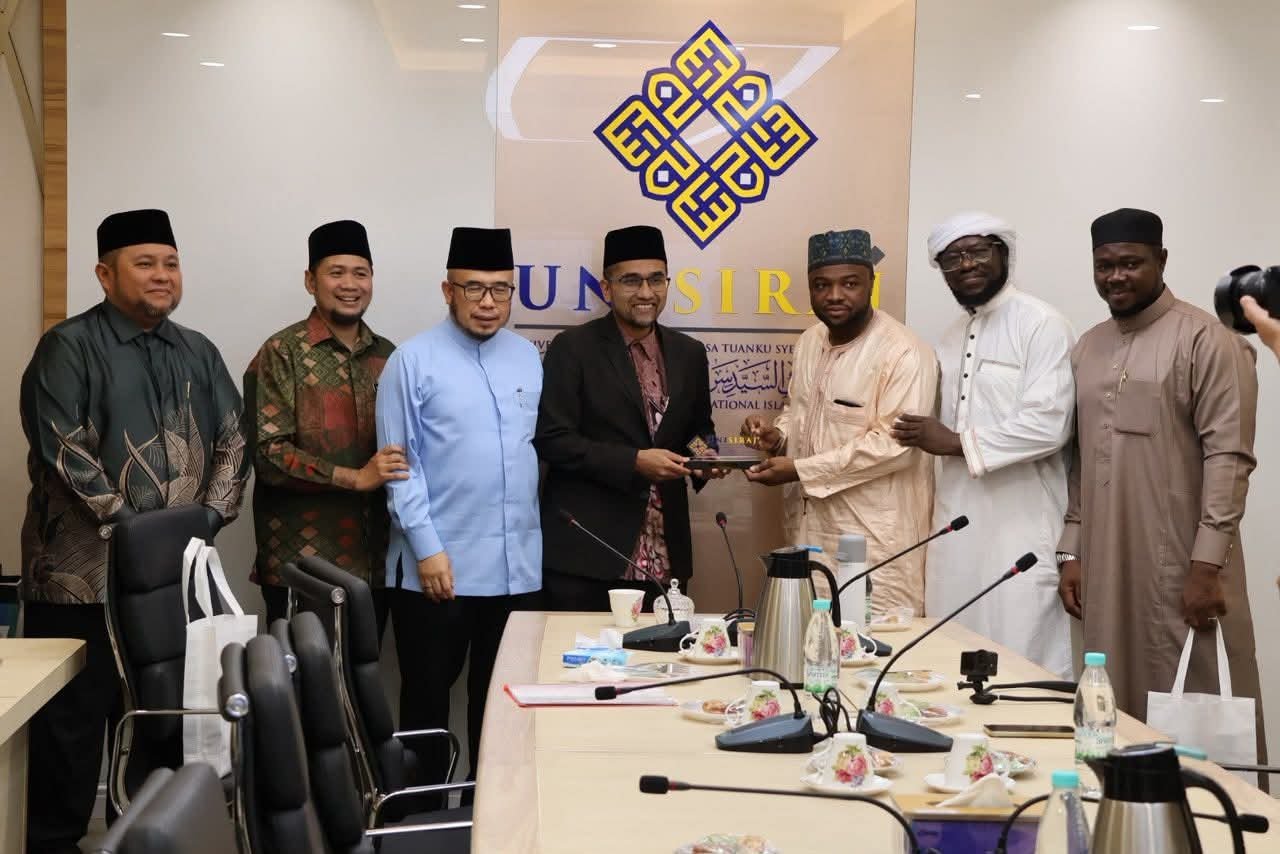
Connecting Education, Economic Development and Institutional Sustainability
Awqaf Africa presented its broader development approach, integrating three interconnected pillars:
- Education & Human Capital Development: Educational opportunities, research collaboration, professional learning, academic exchange and institutional capacity.
- Economy & Enterprise: Sustainable economic opportunities, entrepreneurship, productive assets and Islamic social finance as instruments for inclusive development.
- Environment & Sustainability: Responsible resource stewardship and approaches supporting long-term community and institutional resilience.
Guided by Maqasid al-Shariah and aligned with the United Nations Sustainable Development Goals, these pillars connect institutional development with economic opportunity and long-term social benefit. The exchange highlighted the value of approaches that benefit participating institutions and communities while strengthening their capacity to sustain development initiatives.
Advancing Research, Knowledge Exchange and Human Capital
Education and institutional knowledge featured prominently in the discussions, including academic collaboration, research, student and lecturer exchanges, professional development and knowledge-sharing between Malaysian and African institutions.
Attention was also given to the role of higher education in strengthening leadership, skills and institutional capabilities responsive to Africa’s evolving development needs. Awqaf Africa views such cooperation as a means of connecting academic expertise with practical community and economic development.
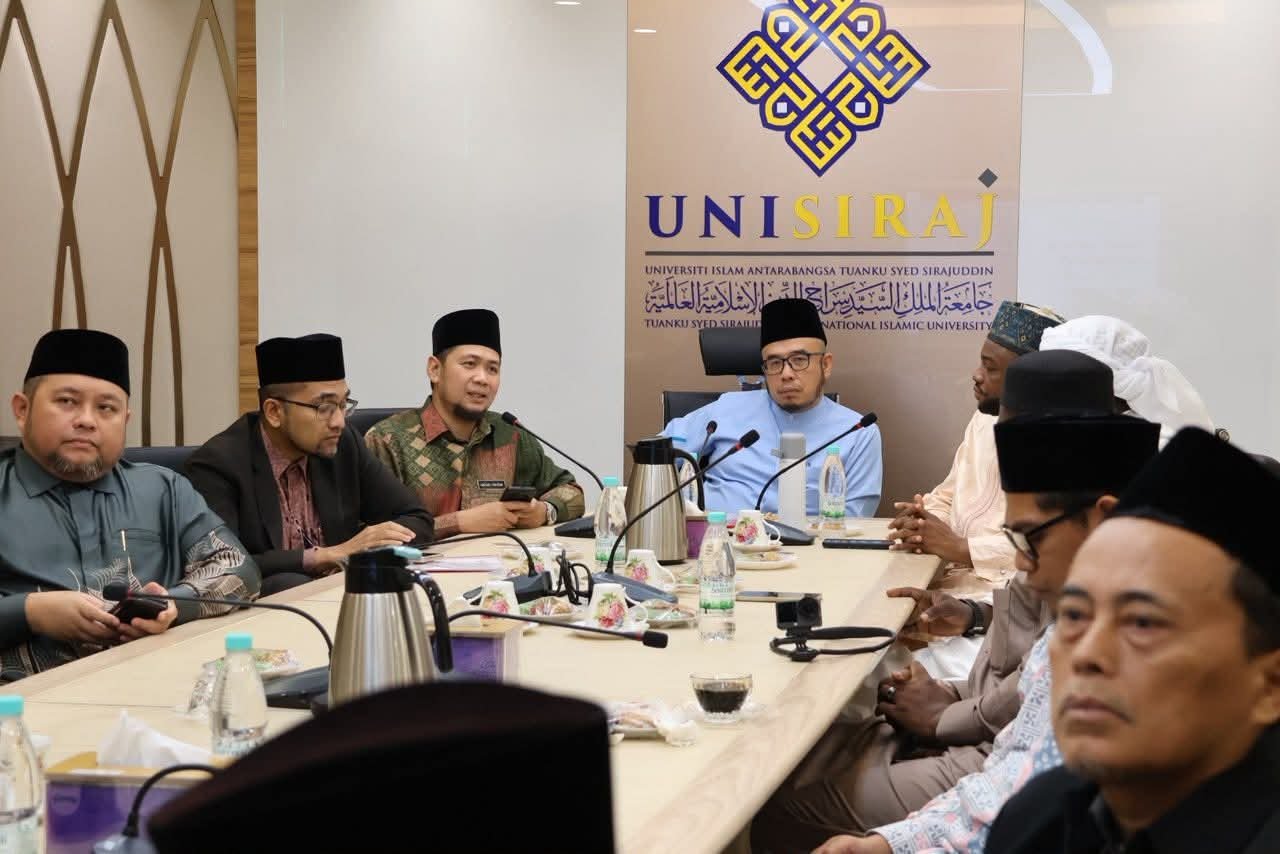
Waqf and Islamic Social Finance for Sustainable Development
The engagement provided an opportunity to exchange perspectives on waqf, Islamic social finance and their contribution to institutional and community development.
Within Awqaf Africa’s broader development approach, waqf is considered not only as a means of charitable support but also as an instrument contributing to education, productive economic activity, human-capital formation and long-term institutional sustainability. The discussions highlighted the relevance of institutional experience, sound governance and knowledge exchange in strengthening Islamic social finance’s contribution to sustainable development across African communities.
From Ghana–Malaysia Cooperation to Wider African Engagement
The Perlis engagement forms part of the wider Africa–Malaysia Sustainable Development & Human Capital Mission, with the Ghana–Malaysia Sustainable Development & Human Capital Mission serving as its initial country-level cooperation corridor.
Through this approach, Awqaf Africa seeks to connect Malaysian expertise and experience with African development opportunities, beginning with Ghana and creating pathways for wider continental cooperation. The mission provides a platform for dialogue across Malaysian states, universities, Islamic institutions and other development stakeholders, linking education, economic opportunity and sustainability for mutual institutional value and lasting community benefit.
Separate Academic Engagement with Universiti Muhammadiyah Malaysia
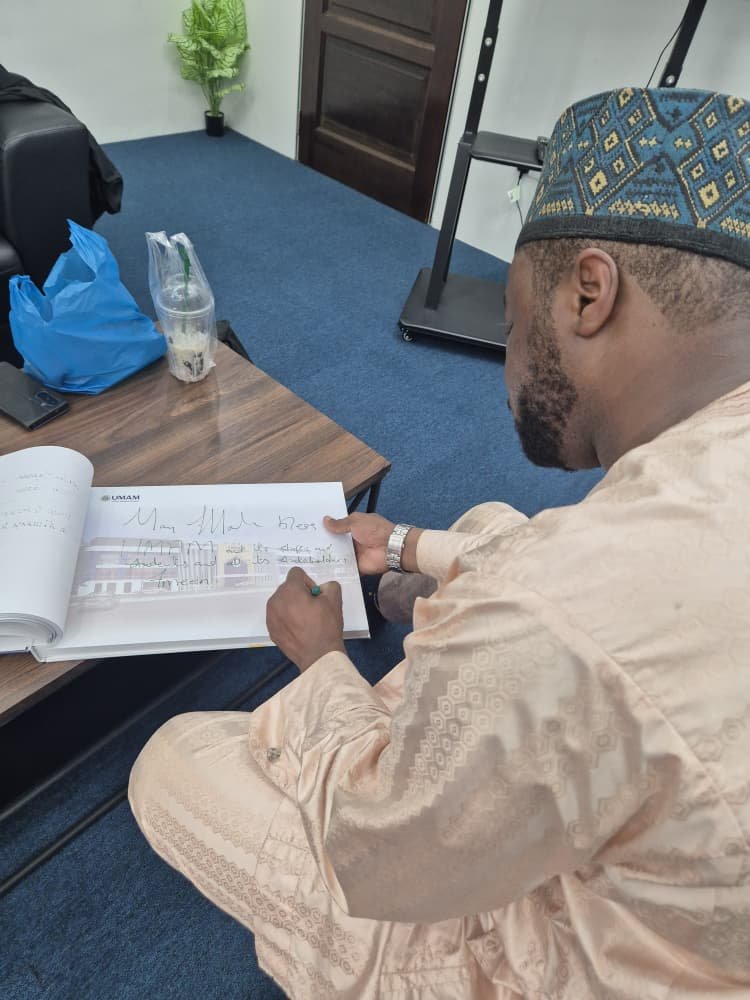
As part of the Perlis mission, the Awqaf Africa delegation also held a separate engagement with Universiti Muhammadiyah Malaysia (UMAM), meeting university representatives including Prof. Emeritus Dr. Rushami Zien Yusoff, Deputy Vice-Chancellor.
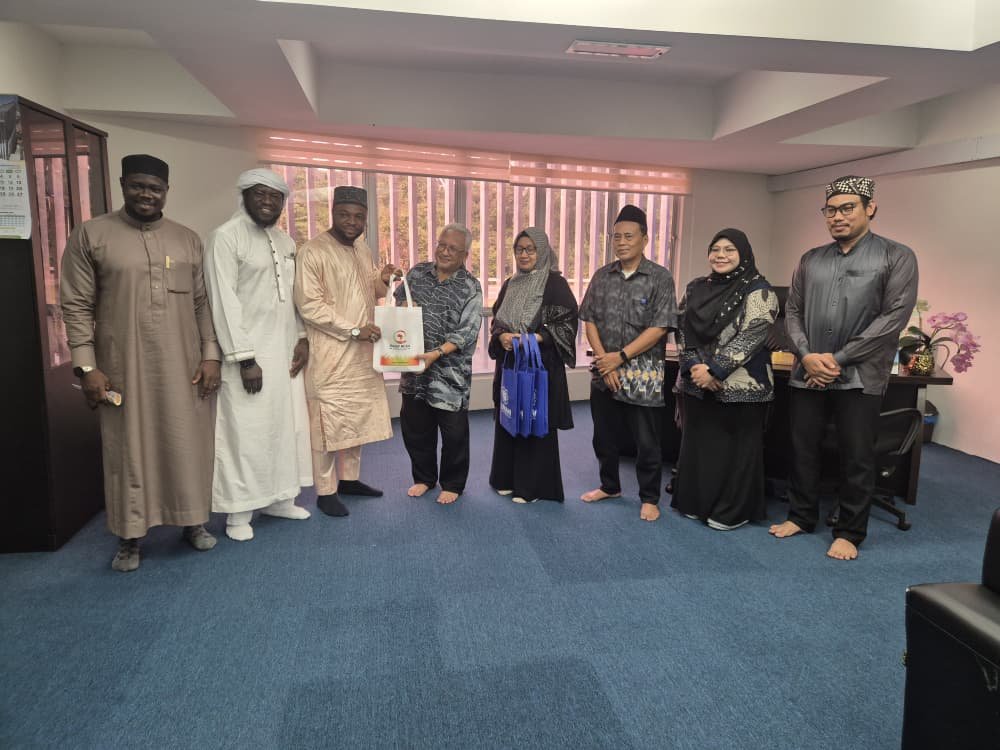
Discussions explored areas of mutual academic interest, including educational cooperation, research, student development, knowledge exchange and collaborative academic activities. The engagement complemented Awqaf Africa’s efforts to strengthen connections between Malaysian higher education institutions and African educational and development stakeholders.
Strengthening Africa–Malaysia Institutional Partnerships
Awqaf Africa expresses its sincere appreciation to the Mufti of Perlis, the leadership of UniSIRAJ, JAIPs and other participating institutional representatives for their hospitality, openness and constructive engagement. The organisation also extends its appreciation to Universiti Muhammadiyah Malaysia for the warm reception and valuable academic exchange.
Awqaf Africa looks forward to continued engagement with the respective institutions in areas of shared interest.
The Perlis mission reflects the organisation’s broader commitment to building bridges between Africa and Malaysia through knowledge, institutional cooperation, economic opportunity and sustainable human-capital development.
Awqaf Africa — The Hope For Africa.



Leave a Reply