


Melaka, Malaysia | 30 October 2026
Awqaf Africa President Ibrahim Abdul Mugis calls for a shift from short-term charitable interventions towards productive waqf, human capital development, institutional sustainability and responsible innovation.
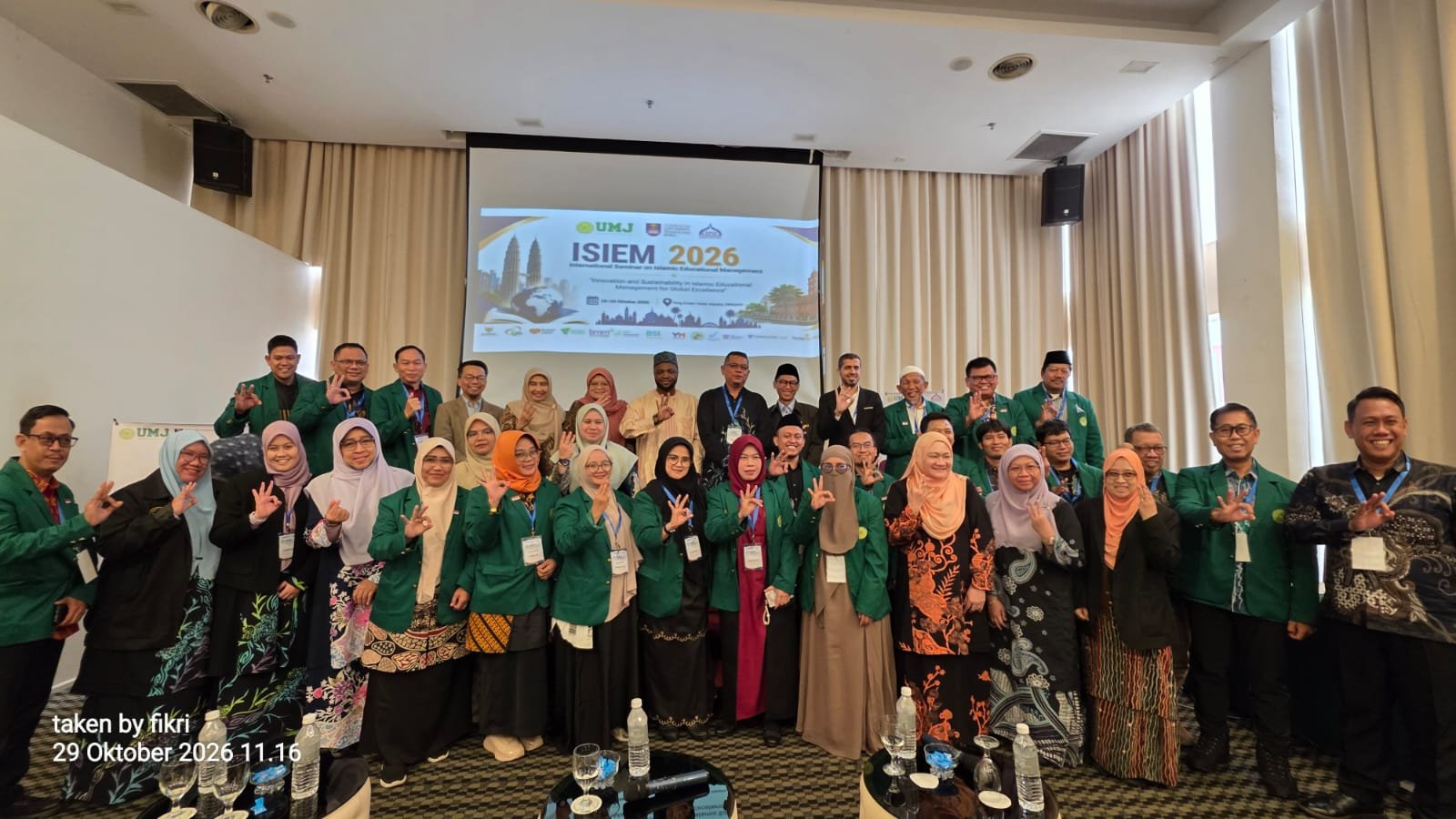
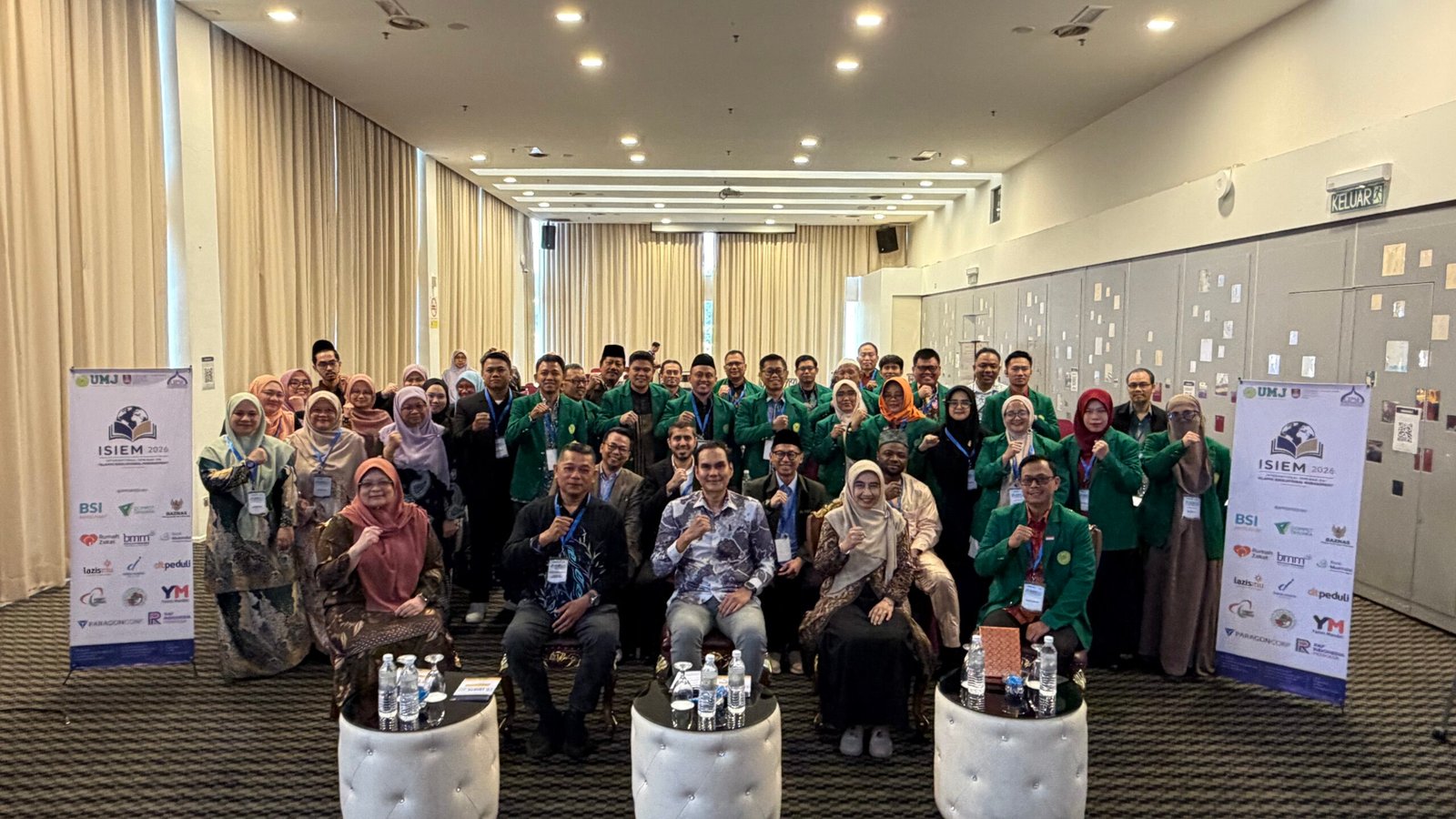
Awqaf Africa President Ibrahim Abdul Mugis delivered a keynote address at the International Seminar on Islamic Educational Management (ISIEM 2026), held on 28–29 October 2026 at King’s Green Hotel in Melaka, Malaysia. The international academic gathering brought together scholars, researchers, educational leaders and practitioners to exchange ideas on Islamic educational management and sustainable institutional development.

Beyond Benevolence: Reimagining Africa’s Educational Future
Delivering his keynote, “Beyond Benevolence: Rebuilding Africa’s Educational Future through Waqf and Islamic Social Finance — From Mansa Musa to Sustainable Human Capital Development,” Mugis invited participants to reconsider how Islamic social finance can contribute to lasting institutional transformation. Drawing on Mansa Musa, Timbuktu and the scholarly traditions associated with Sankoré, he emphasised Africa’s long history as a producer of knowledge and a centre of scholarship. The historical legacy, he argued, should inspire modern efforts to rebuild institutions capable of developing human potential and generating lasting value.
From Charity to Regenerative Waqf
A central argument of the keynote was that charitable contributions, while essential, must be complemented by systems that can sustain educational and community institutions over time. Mugis presented Regenerative Waqf through two complementary dimensions. Productive Waqf concerns the responsible mobilisation of endowed resources for continuing economic value, including enterprise development and halal-sector opportunities. Capability Waqf concerns people: education, skills, ethical leadership, knowledge and institutional capacity. The address also explored Hawalization as an emerging conceptual approach connecting halal economic activity and waqf-based development. These concepts were presented as areas for research and practical development, not as already validated financing models.
Education, Economy and Environment
The keynote connected Capability Waqf with the Integrated Holistic Education System (IHES), originally developed by Prof. Dr. Hasni Mohammed. IHES links education, economy and environment: education develops knowledge and values; economic opportunity allows capabilities to be applied; and the surrounding social, institutional and ecological environment shapes their long-term impact. This integrated perspective informs Awqaf Africa’s approach to sustainable human capital development.
Governance Before Technology
Addressing digital transformation and artificial intelligence, Mugis emphasised that technological tools cannot replace sound governance. Digital platforms may support waqf administration, reporting, research and accountability, but institutions first need clear responsibilities, ethical safeguards, reliable information and effective oversight. His message reinforced a principle central to Awqaf Africa’s work: Governance Before Technology.
Building Bridges Across Africa and Southeast Asia
The seminar created opportunities for dialogue with scholars and institutional representatives from Malaysia and Indonesia. Conversations with representatives of Universiti Teknologi MARA (UiTM) Melaka explored possible academic engagement, research and participation in the Global WaqfTech Programme, including its monthly talks, thematic series and planned 2027 International Conference. The engagement also continued an existing professional relationship with Dr. M. Arifin Purwakananta, whose invitation brought Mugis to ISIEM 2026. These conversations remain exploratory and do not constitute announced partnerships. They complement the broader Africa–Malaysia Sustainable Development & Human Capital Mission.
Waqf, Entrepreneurship and the Creative Economy
Alongside the academic programme, Mugis presented Dr. Arifin with a specially created BAZNAS-named fragrance developed through his independent enterprise, Mugis Perfumes, and a waqf Qur’an. The gesture reflected his exploration of waqf perfumery: how fragrance production, entrepreneurial skills and productive enterprise might eventually contribute to sustainable social benefit. The concept remains exploratory; the commemorative fragrance did not signify a formal BAZNAS partnership or established waqf arrangement.

Recognition and Appreciation
Mugis received a Certificate of Appreciation and commemorative recognition for his keynote contribution. Awqaf Africa thanks the seminar organisers, participating institutions including Universitas Muhammadiyah Jakarta and UiTM Melaka, Dr. Arifin Purwakananta, and the scholars and participants who contributed to the exchange.

Building Institutions That Endure
The keynote concluded with a reflection that captures Awqaf Africa’s institutional vision: “In the end, it is not how many institutions we establish, but how many institutions we leave stronger and more sustainable.” For Awqaf Africa, the challenge is to connect today’s resources with the knowledge, productive systems and institutions that can serve future generations.
ISIEM 2026 Conference Highlights
Watch the conference montage from Melaka.
Awqaf Africa — The Hope For Africa
Education • Economy • Environment



Leave a Reply